

Home Service Web Design: Transform Your Business with a High-Performance Website
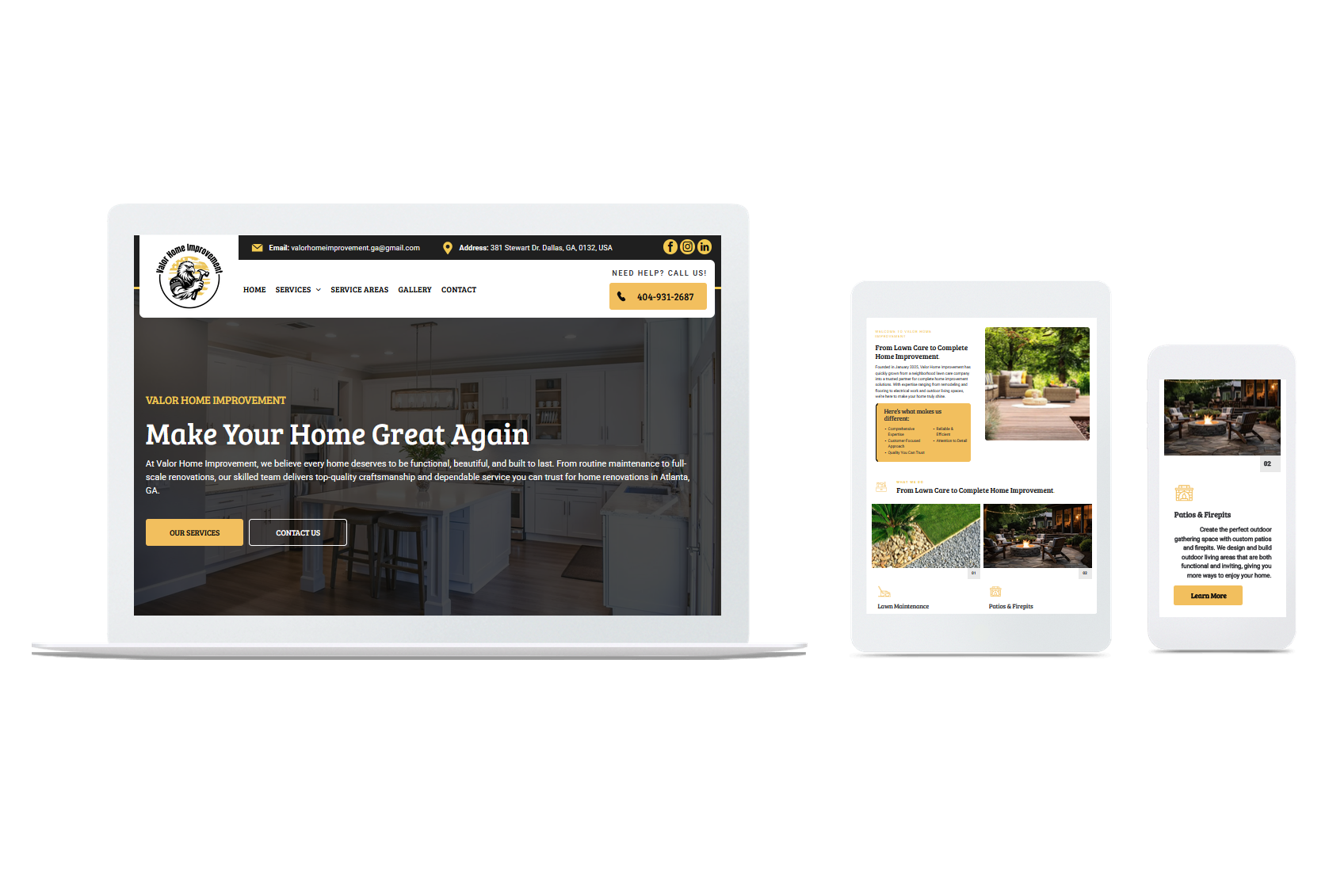
Homeowners often visit a company’s website before making a phone call, requesting an estimate, or scheduling a service. What they find can determine whether your business earns that opportunity or loses it to a competitor.
For plumbers, HVAC companies, electricians, landscapers, roofers, movers, fence contractors, and other service businesses, a website must do more than look professional. It needs to explain what you do, establish trust, appear in relevant searches, and make contacting your company simple.
That is the purpose of effective home service web design.
A high-performing website serves as the foundation of your online presence. Search engines use it to understand your services and service areas. Potential customers use it to evaluate your company. Your Google Business Profile, social media accounts, business listings, advertisements, and AI search visibility all depend partly on the information and credibility established through your website.
Why Home Service Web Design Matters
Home service customers frequently search with an immediate problem in mind. They may have a leaking pipe, broken air conditioner, damaged roof, unsafe electrical outlet, flooded crawlspace, fallen tree, or an upcoming move.
They are not visiting your website for entertainment. They want to know:
- Do you provide the service I need?
- Do you serve my location?
- Does your company appear trustworthy?
- Can I see examples of your work?
- How quickly can I reach someone?
- What should I do next?
Your website should answer those questions without making the visitor search through cluttered menus, vague paragraphs, or slow-loading pages.
A confusing or outdated website does not necessarily mean a company performs poor work. However, a potential customer who has never met you has limited information available. If your website appears neglected, customers may wonder whether the same is true of your communication, scheduling, or workmanship.
Professional web design helps your online presence reflect the quality of the business you have built offline.
What Makes Home Service Websites Different?
A contractor website has different priorities than an online magazine, restaurant website, or national retail store.
Most home service companies depend on customers within specific geographic markets. Their websites must connect individual services with the cities and communities they serve. They also need to turn local visitors into calls, estimate requests, appointments, or other meaningful inquiries.
Home service websites must often communicate urgency while building confidence. A homeowner inviting someone onto their property wants to know that the company is legitimate, experienced, and capable of completing the work safely.
That makes several elements especially important:
- Clear service information
- Accurate service areas
- Mobile-friendly navigation
- Prominent phone and estimate options
- Reviews and testimonials
- Real project photography
- Licenses, certifications, or relevant credentials
- Information about the company and team
- Fast, dependable performance
- Search-friendly website structure
These components should work together. Attractive design without useful information will not be enough, and keyword-filled pages without professional design may struggle to earn a customer’s trust.
Clear Messaging Above the Fold
The first section visible before someone scrolls is commonly called the area “above the fold.” This space should immediately communicate the most important information about your business.
An effective opening section usually includes:
- A clear description of your primary service
- The type of customer or market you serve
- Your primary location or service area
- A meaningful reason to choose your company
- A visible call or estimate button
Avoid leading with a slogan that sounds good but does not explain the business. A statement such as “Quality You Can Trust” could describe almost any company. A heading such as “Residential Plumbing Services in Dallas, Georgia” gives customers and search engines substantially more information.
The supporting copy can then explain the company’s experience, response time, guarantees, specialty, or customer-focused approach.
Your primary call to action should also match how customers prefer to contact you. Depending on the business, that may be “Call Now,” “Request an Estimate,” “Schedule Service,” or “Get a Quote.”
Mobile-Friendly Design Is Essential
Many homeowners search for service providers from a phone, especially when the need is urgent. Your mobile website should therefore receive the same attention as the desktop version.
A mobile-friendly home service website should have:
- Readable text without zooming
- Buttons large enough to tap
- Click-to-call phone numbers
- Short, easy-to-complete forms
- Simple navigation
- Properly sized images
- No sideways scrolling
- Content that remains easy to scan
- Important actions available without excessive scrolling
A website can look excellent on a large monitor while being frustrating to use on a phone. Test the complete customer journey on multiple screen sizes, including opening the menu, viewing services, clicking the phone number, and submitting the contact form.
Speed also matters. Large images, unnecessary animations, poorly configured scripts, and excessive widgets can make pages slow and unresponsive. Performance should be considered during the design process rather than addressed only after the website is complete.
Build Trust With Real Evidence
Homeowners need more than marketing claims. They want evidence that your company is capable, dependable, and established.
Strong trust signals may include:
- Customer reviews
- Before-and-after photographs
- Images of completed projects
- Branded vehicles and equipment
- Team photographs
- Professional licenses
- Insurance information
- Manufacturer certifications
- Industry memberships
- Awards or accreditations
- Financing information
- Workmanship guarantees
- Years of relevant experience
Only display claims and credentials that are accurate and current. Do not use a certification badge simply because it looks impressive.
Original photography is especially valuable for home service companies. Stock photos can improve a layout, but they cannot prove that your company completed a retaining wall, replaced a roof, installed a new HVAC system, or transformed a landscape.
Real photographs help potential customers visualize the quality of your work and recognize your company when a technician or estimator arrives.
Create Individual Pages for Important Services
One page listing every service is rarely sufficient for a company that wants meaningful organic search visibility.
Someone searching for water heater replacement has a different need from someone searching for sewer line repair. Likewise, a homeowner researching sod installation needs different information from one looking for drainage correction or retaining wall construction.
Individual service pages give you room to explain:
- What the service includes
- The problems it solves
- Signs a customer may need it
- Your process
- Available options or materials
- Relevant experience
- Frequently asked questions
- Related services
- The next step for requesting help
These pages also help search engines understand the specific work your company performs. A properly developed service page can target a focused search without forcing every possible service onto the homepage.
The appropriate number of service pages depends on the business. You do not need a separate page for every minor variation of the same phrase. Prioritize distinct, valuable services for which customers genuinely search and that your company wants to sell.
Explain Your Service Areas Accurately
Home service companies should make it clear where they work. This helps customers determine whether they can hire you and gives search engines geographic context.
Your primary location and surrounding service areas can appear naturally throughout the website, including on the homepage, contact page, service pages, footer, and dedicated service-area content.
Avoid publishing dozens of nearly identical city pages with only the location name changed. Useful location content should provide something specific, such as services available in the area, relevant project examples, local conditions, customer testimonials, or meaningful information about how the company serves that community.
Accuracy is more important than creating the largest possible list. Claiming locations far outside your normal operating area may attract irrelevant inquiries and create a poor customer experience.
Make Contacting Your Company Easy
A visitor should never have to hunt for a phone number or contact form.
Your website can provide several contact opportunities without overwhelming the user:
- A phone number in the header
- A prominent estimate or scheduling button
- Click-to-call functionality on mobile
- A concise contact form
- Contact information in the footer
- Relevant calls to action on service pages
Contact forms should request only the information necessary to begin the conversation. Every additional field creates more work for the customer.
For many home service companies, a name, phone number, email address, service needed, property location, and short message provide enough information for an initial response. Additional details can be collected after contact is established.
Before launching a website, test every form on desktop and mobile. Confirm that submissions reach the correct person, notifications do not enter spam folders, confirmation messages work, and customer information is stored appropriately.
Home Service Web Design and SEO Work Together
A beautiful website has limited value if the right customers cannot find it. Search engine optimization should therefore influence the structure and content of the website from the beginning.
Important SEO considerations include:
- Logical page organization
- Keyword and competitor research
- Descriptive page titles and headings
- Unique service content
- Clear internal links
- Accurate business information
- Mobile usability
- Image optimization
- Crawlable navigation
- Descriptive URLs
- Proper redirects
- Technical indexing controls
- Useful content that answers customer questions
SEO should not make the website sound unnatural. Repeating a city and service in every sentence creates a poor reading experience and does not demonstrate expertise.
The strongest pages use the language customers search while still communicating naturally. They answer the visitor’s question, explain the service clearly, and provide meaningful information about the company.
Internal Links Help Customers and Search Engines
Internal links connect related pages within your website.
For example, a roofing article discussing signs of storm damage might link to the company’s roof inspection and roof repair pages. A landscaping page about drainage problems might link to grading, French drain, and retaining wall services.
These links help customers find the information most relevant to their needs. They also help search engines discover pages and understand how the website’s topics relate to one another.
Use descriptive linked text whenever possible. “Learn more about our residential roof repair services” provides more context than a generic phrase such as “click here.”
Every important service page should be reachable through logical navigation or internal links. Creating a page is not enough if customers and search engines have no practical route to find it.
Content Writing Expands Your Search Opportunities
Your main service pages target customers who already understand the service they need. Educational content can reach people earlier, when they are still diagnosing a problem or comparing options.
A home service company might publish useful content about:
- Signs that a system needs repair
- Repair-versus-replacement decisions
- Differences between materials
- Factors that affect project cost
- Common maintenance mistakes
- Questions to ask a contractor
- What to expect during installation
- Seasonal property concerns
- Completed projects and case studies
This type of SEO content writing can support the service pages through internal links while building a more complete resource for customers.
Publishing content simply to keep a blog active is not enough. Topics should be based on customer questions, services, search opportunities, and the company’s actual experience.
Prepare Your Website for AI-Powered Search
Search behavior now extends beyond traditional results. People use Google’s AI features and other AI platforms to ask detailed questions, compare solutions, and research companies.
There is no separate trick that guarantees AI visibility. The same strong foundation remains important: accurate information, helpful content, clear website structure, accessible pages, recognizable expertise, and consistency across trusted online sources.
Your website helps search and AI platforms understand:
- What your company does
- Which customers you serve
- Where you operate
- Which services you specialize in
- What makes your business credible
- How your services relate to common customer problems
Detailed service pages, frequently asked questions, case studies, original photographs, and educational content provide more useful context than a thin website containing only broad sales language.
No business can guarantee a mention in an AI-generated answer. However, a website that clearly documents the company gives search systems better information with which to understand it.
Track Leads and Website Performance
Website traffic is useful, but it does not tell the entire story. A home service website should ultimately help create qualified calls, estimate requests, appointments, and jobs.
Analytics can help you evaluate:
- Which pages attract visitors
- Which searches generate impressions and clicks
- Which service pages receive the most attention
- How visitors move through the website
- Which contact options they use
- Which pages contribute to inquiries
Tracking should be configured carefully and reviewed in context. A lower-traffic service page may still be valuable if its visitors frequently request high-value work. Meanwhile, a heavily visited article may contribute little if its subject is disconnected from the company’s services.
Use performance data to identify opportunities, improve weak pages, and better connect traffic with business results.
Signs Your Home Service Website Needs a Redesign
An older website does not need to be replaced simply because it is old. A redesign makes sense when the current website no longer supports the business or creates meaningful problems for customers.
Common warning signs include:
- The design does not reflect the current brand
- Important services are missing or inaccurate
- The website is difficult to use on mobile devices
- Pages load slowly
- Forms or buttons do not work
- Customers cannot easily find contact information
- The website targets old service areas
- The company cannot update its own information
- Pages are not being indexed properly
- Navigation has become confusing
- The website generates little qualified traffic or few inquiries
- Tracking is missing or unreliable
Before rebuilding, review the existing website’s indexed pages, backlinks, rankings, traffic, forms, and URLs. Valuable pages should be improved or migrated carefully. Changed URLs need permanent redirects so visitors and search engines are sent to the correct replacement pages.
A redesign should strengthen the company’s existing online presence, not erase useful history.
How to Choose a Home Service Web Design Company
A web design provider should understand more than colors and layouts. Your website supports branding, search visibility, customer trust, lead generation, and future marketing campaigns.
Before choosing a partner, ask:
- Have they worked with home or outdoor service companies?
- Do they perform keyword and competitor research?
- Will they help organize the service-page structure?
- Is the website designed for mobile users?
- Who owns the finished website and content?
- Are hosting, maintenance, and updates included?
- How will existing URLs and redirects be handled?
- Will forms and tracking be tested before launch?
- Can the website grow as services or markets expand?
- Is ongoing SEO available after the website launches?
- Are pricing, ownership, and cancellation terms clear?
Be cautious of guaranteed rankings or guaranteed lead totals. Website performance depends on competition, search demand, market conditions, authority, advertising, reputation, and the company’s ability to answer and convert inquiries.
A trustworthy provider should explain what it will do, why each step matters, and how progress will be evaluated.
How Marketing Vines Builds Websites for Service Companies
Marketing Vines creates websites for home service companies, outdoor service companies, and contractors that need a clearer and more effective online presence.
Our process begins with the business itself. We examine the company’s services, customers, competitors, branding, service areas, existing website, and realistic search opportunities. That research helps shape the site structure before design and content decisions are finalized.
Depending on the project, our work can include:
- Logo design and cohesive brand development
- Keyword and competitor research
- Mobile-responsive website design
- Service-page planning and content
- Search-friendly website structure
- Hosting and technical configuration
- Website maintenance and updates
- Ongoing search engine optimization
- Local SEO and Google Business Profile support
- Monthly content writing
- AI search visibility strategies
- Selected paid advertising services
Clients own their website and brand materials and can cancel their ongoing service without being trapped in a long-term contract. The goal is to give business owners a professional foundation they can understand, use, and continue building over time.
Frequently Asked Questions About Home Service Web Design
How much does a home service website cost?
The cost depends on the number of pages, content requirements, custom design work, integrations, existing assets, and ongoing services. Compare proposals based on what is included, who owns the finished website, and whether hosting, maintenance, content, and SEO are part of the price.
How long does it take to build a contractor website?
The timeline depends on the project’s size and how quickly content, photographs, approvals, and business information are provided. A small informational website may be completed relatively quickly, while a larger website with numerous services and locations requires more planning and production.
Will a new website immediately rank on Google?
No ethical company can guarantee immediate rankings. A properly built website creates a much stronger foundation, but organic visibility develops through indexing, content quality, competition, website authority, local signals, links, and ongoing optimization.
Do I need separate pages for every service?
Important services usually benefit from dedicated pages when each service has a distinct customer need and enough useful information to justify its own page. Minor variations should not be separated merely to create more pages.
Should my home address appear on the website?
If customers do not visit your address, you may prefer to display your service area instead. Your website and Google Business Profile should accurately represent how the business operates while protecting private residential information.
Can I keep my current domain during a redesign?
Yes. In most cases, an established domain should be retained. The new website can be built and launched on the existing domain while preserving valuable URLs or redirecting changed pages appropriately.
Does my website need ongoing updates?
Yes. Services, hours, team members, photographs, credentials, and service areas can change. Technical standards and search behavior also evolve. Periodic updates keep the website accurate, secure, useful, and aligned with the business.
Build a Website That Supports Real Growth
A home service website should be more than an online brochure. It should help customers understand your services, trust your company, and take the next step.
That requires a combination of professional design, useful content, clear service pages, mobile performance, search engine optimization, accurate business information, and straightforward contact options.
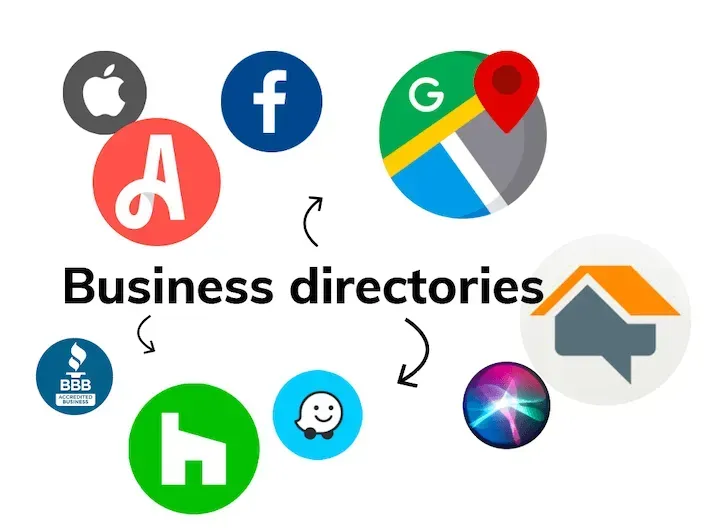
The website is also the information hub that supports your wider online presence. Your Google Business Profile, business listings, social channels, advertising campaigns, traditional search visibility, and AI visibility all work better when they lead back to a reliable and well-organized website.
When those pieces work together, your website can become a lasting foundation for attracting qualified traffic and creating more opportunities for your business. To learn more about our Web Design & SEO plans Click Here!
Recent Post




Ready to Grow Your Business?
Our proven marketing strategies help you get more leads, more calls, and more customers.