

SEO Content Writing for Home Service Businesses in 2026
Search has changed dramatically since this article was first published in 2023. Potential customers no longer rely only on a short Google search and a list of traditional blue links. They ask detailed questions, compare companies, study services, read reviews, explore maps, and use AI-powered search tools to help make decisions.
One part of the strategy has not changed: your website needs useful information that clearly explains what your business does, who it serves, and why someone should choose it.
That is where SEO content writing comes in.
Business blogging is still valuable in 2026, but publishing random articles is not a complete strategy. Effective content must be based on real customer questions, relevant search terms, your services, your market, and the goals of your business. It should help potential customers while strengthening the most important pages on your website.
What Is SEO Content Writing?
SEO content writing is the process of creating useful website content that answers customer questions and helps search engines understand your business. This can include blog posts, educational guides, frequently asked questions, service pages, location pages, case studies, project spotlights, and other helpful resources.
The objective is not to repeat a keyword as many times as possible. Modern SEO content writing connects the language customers use with accurate, readable information that satisfies the reason behind their search.
For example, a plumbing company should not publish an unrelated article simply because a topic receives traffic. It could create content answering questions such as:
- Why does a water heater keep running out of hot water?
- What are the signs of a hidden plumbing leak?
- Should a damaged sewer line be repaired or replaced?
- What causes low water pressure throughout a house?
- How much water heater maintenance is actually necessary?
Each article attracts people interested in a service the company provides. It can then guide those readers toward the appropriate plumbing service page or another helpful resource.
That connection between customer questions, business services, and relevant website pages is what turns ordinary blogging into strategic SEO content writing.
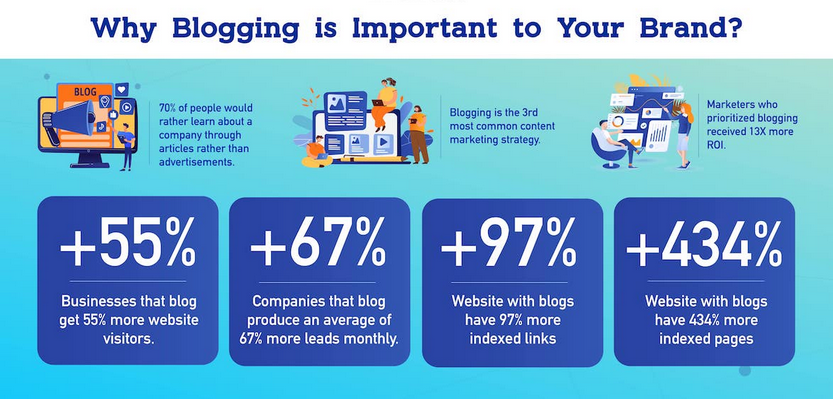
Is Business Blogging Still Valuable in 2026?
Yes, but only when the content has a clear purpose.
Publishing four generic posts every month does not guarantee higher rankings, more traffic, or more leads. Search engines do not reward a website simply for having a frequently updated blog. The content must be useful, original, relevant to the business, and supported by a website that search engines can properly access and understand.
A well-planned article can accomplish several objectives at once. It can answer a customer’s question, target a relevant search, demonstrate experience, support a service page, provide material for social media, and help a potential customer move closer to contacting the business.
Poor content does the opposite. Thin, repetitive, inaccurate, or overly automated articles can fill a website with pages that provide little value. More content is not automatically better. One genuinely useful resource can be more valuable than dozens of articles created only to meet a publishing schedule.
The most important question is not, “How often should we post?” It is, “What information would genuinely help the customers we want to reach?”
How Content Writing Supports Search Engine Optimization
A company’s main service pages should focus on its most important commercial searches. A roofing company, for example, may have pages for roof repair, roof replacement, storm damage, and metal roofing.
Those pages cannot naturally answer every related question a homeowner might ask. Trying to force dozens of loosely connected topics onto one service page can make it confusing and less effective.
Content writing gives the website room to address narrower questions and supporting topics. Over time, these resources can expand the range of searches for which the website is relevant.
A roofing company might publish articles about:
- Warning signs that a roof needs to be replaced
- Whether homeowners insurance covers storm damage
- Differences between architectural and three-tab shingles
- What to expect during a residential roof replacement
- How long common roofing materials typically last
These articles are related to the company’s services without duplicating the primary service pages. Together, they create a more complete and useful website.
Content Can Reach Customers Earlier
Not everyone begins with a search such as “roofing company near me.” Some customers start by searching for a problem:
- Why is water staining my ceiling?
- Can damaged shingles cause a roof leak?
- How serious is a small foundation crack?
- Why are some rooms warmer than others?
- Should I repair or replace my water heater?
These searches may happen before the customer knows which professional to call. Helpful content allows a business to appear earlier in that decision-making process.
A visitor may not contact the company immediately, but the article introduces the business, answers an important question, and provides a sensible next step. That is valuable visibility—especially when the topic is closely connected to a profitable service.
Content Expands Your Website Beyond a Few Keywords
A small business website may initially contain only a homepage, several service pages, an about page, and a contact page. That gives search engines a limited amount of information to evaluate.
Strategic content can expand the website around the services, problems, materials, methods, and questions relevant to the company. This does not mean creating a page for every slight variation of a keyword. It means building a useful collection of resources around topics the business genuinely understands.
As that collection grows, the website has opportunities to appear for a wider range of relevant searches.

Content Writing Helps Build Topical Relevance
Search engines need to understand what a website is about and how its pages relate to one another.
Imagine two landscaping websites. The first has a homepage and one page listing every service. The second has detailed service pages for landscape design, drainage, sod installation, hardscaping, retaining walls, and lawn care. It also contains helpful articles answering common questions about those services.
The second website gives both customers and search engines a clearer picture of the company’s knowledge and capabilities.
This is often described as building topical relevance or topical authority. However, publishing content does not automatically make a business an authority. The information still needs to be accurate, useful, and connected to real experience.
Strong content can demonstrate that experience by including:
- Common problems the company encounters
- Mistakes customers should avoid
- Explanations of materials or service options
- Local considerations that affect the work
- Photographs from completed projects
- Practical examples from the field
- Honest explanations of when a service is or is not necessary
These details make content more useful than an article that merely summarizes information already repeated across hundreds of websites.
Internal Links Strengthen Important Website Pages
Internal links connect one page of your website to another. They help visitors continue exploring and help search engines discover and understand the relationship between your pages.
For example, an article about signs of a failing water heater should link naturally to the company’s water heater repair or replacement page. An article comparing fence materials could link to the wood fencing, vinyl fencing, and aluminum fencing pages.
The wording used for these links should describe the destination. A phrase such as “learn more about our water heater replacement services” is more informative than “click here.”
A strong internal linking structure can:
- Help customers find the appropriate service
- Direct visitors toward pages designed to generate inquiries
- Connect related articles and resources
- Help search engines discover important pages
- Clarify which pages cover specific topics
- Prevent useful articles from becoming isolated
Content should not become a dead end. Every post should have a logical relationship with the wider website.
This article, for example, supports Marketing Vines’ search engine optimization services because monthly content writing is one part of a broader SEO strategy. The article explains the value of that work, while the service page explains how Marketing Vines implements SEO for its clients.
Content Can Support Visibility in AI Search
People increasingly use Google’s AI features and other AI-powered platforms to ask detailed questions, compare options, and research services. These tools often rely on accessible information published across websites and other online sources.
That does not mean businesses need to write awkwardly for robots or create hundreds of nearly identical answers. The same fundamentals that support traditional SEO remain important: clear website organization, accurate information, useful content, descriptive headings, accessible pages, and recognizable expertise.
Content may help AI systems understand:
- The services a company provides
- The problems those services solve
- The locations the company serves
- The company’s experience and qualifications
- The relationships between its services
- Answers to common customer questions
No company can guarantee that an article will be cited or mentioned by an AI platform. However, a business with little meaningful information on its website gives search engines and AI systems less material from which to understand it.
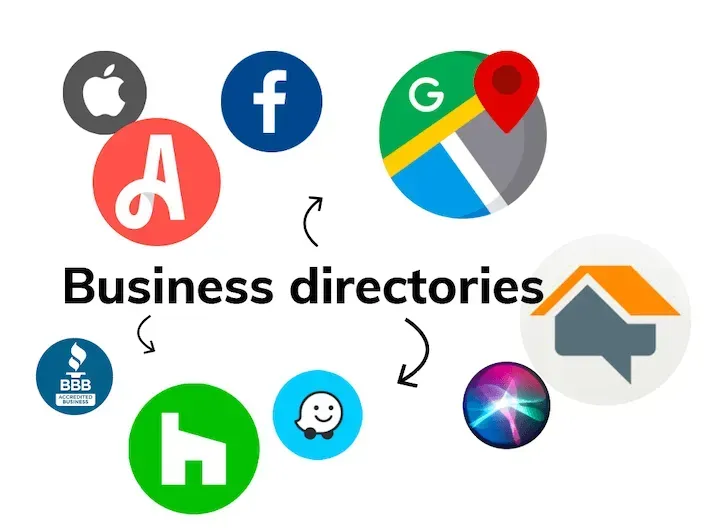
A well-developed website serves as the company’s central source of information. Its service pages, articles, case studies, frequently asked questions, business listings, social profiles, and customer reviews can work together to create a clearer online presence.
Useful Content Builds Trust Before the First Call
SEO is not only about bringing more visitors to a website. The quality and relevance of those visitors matter.
Someone reading an article about preparing for a roof replacement may be far more valuable to a roofing company than a large number of visitors reading an unrelated viral topic. The first visitor has a problem the business can solve.
Helpful content also allows the company to demonstrate its approach before the customer makes contact. An informative article can show that the business understands the problem, communicates clearly, and does not rely on confusing technical language.
This is especially important for home and outdoor service companies. Customers may be preparing to spend thousands of dollars on a repair, installation, or improvement. They want to understand the process and feel confident that the company knows what it is doing.
Content can answer initial questions and reduce uncertainty before a phone conversation or estimate request.
Turning Website Content Into Leads
Traffic alone does not pay the bills. Content should provide a logical path from information to action.
The right next step depends on the article. A reader may need to:
- Explore a related service
- View completed projects
- Read a relevant case study
- Check the company’s service area
- Learn more about the business
- Request an inspection or estimate
- Contact the company with a specific question
Not every paragraph needs a sales pitch. Excessive promotional language can make an educational resource feel less trustworthy. The best approach is to answer the question thoroughly and then make the next step clear.
The website surrounding the article also matters. A useful post is less likely to generate business if the website is slow, difficult to navigate, outdated, or confusing on a mobile phone. Content writing works best as part of a complete strategy that includes web design, technical SEO, service-page optimization, local SEO, and conversion-focused improvements.
What Should Your Business Write About?
The best content topics usually come from the overlap between customer demand and the company’s services.
Start with the questions customers ask during phone calls, estimates, appointments, and completed jobs. These questions often reveal what people need help understanding before they are ready to make a decision.
Useful topic sources include:
- Frequently asked customer questions
- Problems that lead customers to call
- Misconceptions about a service
- Comparisons between products or materials
- Repair-versus-replacement decisions
- Seasonal maintenance needs
- Pricing factors
- Project timelines
- Preparation and aftercare instructions
- Local weather, soil, building, or property conditions
- Lessons from completed projects
Keyword research can then determine how people phrase those questions and whether a topic presents a realistic search opportunity. Competitor research can reveal gaps, but the goal should not be to rewrite another company’s article. Your content should add clearer explanations, firsthand observations, better examples, original images, or more complete information.
Quality Matters More Than Publishing Frequency
There is no universal number of posts every business must publish each month.
The right schedule depends on the website’s current condition, competition, available topics, budget, and overall SEO strategy. A newer website in a competitive industry may have many important content gaps. An established website may benefit more from improving existing articles than continuously adding new ones.
A responsible content plan may include:
- Creating new articles around researched opportunities
- Updating outdated posts
- Combining overlapping articles
- Improving headings and organization
- Adding internal links
- Replacing generic images with original photos
- Expanding incomplete explanations
- Correcting obsolete information
- Reviewing which pages generate impressions, clicks, and leads
This approach treats the website as a long-term business asset rather than a container that must be filled with a specific number of posts.
Can AI Be Used for Content Writing?
AI can assist with research, organization, outlines, and early drafts. The problem is not simply whether AI was used. The real question is whether the final content is accurate, original, useful, and created for the customer.
Publishing large amounts of unreviewed content can introduce factual errors, generic language, repeated ideas, and claims that do not reflect the business. It may also produce articles that sound polished without demonstrating meaningful experience.
Businesses using AI should still provide human oversight, confirm important facts, remove unsupported claims, and add knowledge from real projects and customer interactions. Content should represent what the company genuinely knows and does.
AI can make the writing process more efficient, but it should not replace research, strategy, editing, or subject-matter knowledge.
How Marketing Vines Approaches Monthly Content Writing
At Marketing Vines, content writing is incorporated into ongoing search engine optimization rather than treated as an isolated blogging service.
We begin by examining the client’s services, website structure, competitors, existing rankings, and realistic keyword opportunities. This helps us identify topics that can support the wider SEO strategy instead of publishing articles without a clear purpose.
Depending on the client and website, monthly work may include:
- Researching relevant customer searches
- Selecting topics connected to profitable services
- Writing and formatting helpful articles
- Improving existing website content
- Adding internal links between related pages
- Supporting service and location pages
- Updating outdated information
- Reviewing organic visibility and future opportunities
The goal is not to promise instant rankings from every article. It is to build a stronger, more useful website that can earn relevant visibility over time and help turn that visibility into real business opportunities.
Frequently Asked Questions About SEO Content Writing
Does blogging improve SEO?
Blogging can support SEO when articles answer relevant questions, target useful searches, demonstrate genuine knowledge, and connect with the rest of the website. Publishing generic or unrelated posts does not automatically improve rankings.
How often should a business publish content?
There is no schedule that works for every business. Consistency can be helpful, but quality and strategy are more important than volume. A company should publish at a pace that allows it to create accurate, useful content.
How long should an SEO article be?
An article should be long enough to answer the question clearly and completely. Some subjects require only a concise explanation, while others need a detailed guide. Adding unnecessary words to reach a predetermined length does not make content more helpful.
How long does content writing take to produce results?
SEO content usually creates value over time rather than immediately. Search engines must discover, evaluate, and index the page, and the website must compete against other available results. Authority, competition, content quality, technical health, and search demand can all affect performance.
Should old blog posts be updated?
Yes, when the information is outdated, incomplete, inaccurate, or no longer aligned with the business. Updating a useful existing URL can often be more practical than publishing another article covering the same subject.
Build a Website Worth Finding
Content writing remains valuable in 2026, but successful business blogging requires more than publishing articles for the sake of staying active.
The strongest content begins with a real customer need, connects that need to a service the business provides, and gives the reader genuinely useful information. It also supports the wider website through thoughtful internal links, accurate service information, and clear next steps.
When combined with keyword research, technical improvements, strong service pages, local SEO, and a well-designed website, monthly content writing can help a business reach more relevant searches, educate potential customers, strengthen its online presence, and create opportunities for future growth. If you would like to learn more about how our team at Marketing Vines can handle your on-site SEO for your Home or Outdoor Service Business take a look at our
search engine optimization services by clicking here.
Recent Post




Ready to Grow Your Business?
Our proven marketing strategies help you get more leads, more calls, and more customers.